





You can scale your contractor business without breaking the bank. Your goal is booking jobs from your local market while staying top-of-mind. We work with HVAC, plumbing, roofing, electrical, garage door, and foundation contractors across multiple specialties. We’ve designed this guide to help you maximize your visibility where homeowners actually search for you.
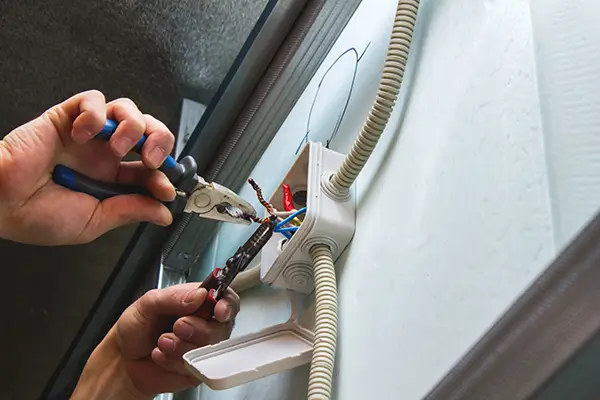
Who Needs Home Services Digital Marketing?
Home services is a broad category. It includes electricians, HVAC, plumbing, roofing, landscaping, house cleaning, and dozens of other trades. Every contractor business shares one reality: you serve customers in specific geographic areas at their homes.
Most generic marketing agencies don’t understand how contractors operate. They push national-scale tactics designed for ecommerce or big retail. But you’re different. You need customers calling from neighborhoods where your trucks can roll within the hour.
If you’re frustrated by marketing expenses that don’t fit how contractors actually work, you’re not alone. Valve+Meter Performance Marketing was built specifically for home service businesses at all sizes.
The Key Components of the Home Services Industry
Contractors face three core challenges that shape everything about their marketing strategy.
High Demand
Homeowners have steadily increased focus on home maintenance and improvements. Home services are in high demand, and most homeowners now start their search online.
Solution
Your business needs a lead-generating website that converts homeowners from Google search, Google Maps, and social media into actual job bookings. You’re competing for the homeowner’s attention in the first few minutes of their search.
Competitive Industry
High demand attracts lots of competitors. Your area probably has dozens of plumbers, HVAC companies, roofers, and electricians competing for the same jobs. Homeowners choose based on price, quality, responsiveness, and reputation.
Solution
You must capture leads fast and close them faster. Marketing brings the lead to your door, but your CSRs and field team determine whether that lead becomes a booked job. Speed matters—the first contractor to call often wins.
Customer Service and Reputation
One bad experience tanks your reputation. One great experience generates referrals and repeat jobs. Reputation is everything in home services.
Solution
Reputation management is your constant job. Customer reviews, testimonials, and social proof drive future customers. A contractor with 50 five-star reviews will out-compete a competitor with 10 reviews every time.
The Advantages of a Local Home Services Company
You understand your market. You know the neighborhoods, local building codes, seasonal demand patterns, and what homeowners actually need. You have relationships with suppliers and other contractors. That’s your edge over national chains.
Local contractors can move fast. A homeowner calls at noon with an emergency, and you’re there by 2 p.m. That responsiveness builds loyalty and referrals. Lean into your local advantage.
Cultivate Success with Digital Marketing Strategies
High demand and fierce competition go hand-in-hand for contractors. Increased demand means more homeowners searching online. That’s good for you, but it’s also crowded. The contractor at the top of Google gets the call.
Digital marketing puts you at the top. Instead of hoping homeowners find you through word-of-mouth, modern tools help you reach the right homeowner at the exact moment they search for your service in your area.
Your goal isn’t complicated: get high-quality leads and close them. You need a website that ranks well, ads that reach nearby homeowners, and a process that turns leads into booked jobs.
The key is meeting customers where they search. When a homeowner needs an electrician, they’re on Google or their phone. That’s where you need to be. Valve+Meter Performance Marketing builds strategies tailored to how contractors actually operate.
What to Know About Digital Marketing Leads
Digital marketing’s job is generating leads. For contractors, a lead is a homeowner who’s interested in your services and willing to talk. Your marketing goal is attracting those people to your website or phone number.
Not all leads are equal. There are two types: bought leads and earned leads.
Buying Leads
Bought leads come from paid advertising. You pay every time someone clicks your ad or calls you directly. Paid channels include pay-per-click (PPC), Google Local Services Ads, third-party sites, and social media advertising.
Bought leads arrive fast. You don’t have to wait for Google to rank your website. You can get calls this week. The downside is simple—every lead costs money. Once you stop paying, the leads stop coming.
PPC
Pay-Per-Click is one of the most efficient ways for contractors to get local leads. You bid on keywords a homeowner would use—”emergency plumber,” “HVAC repair near me,” or “roof damage assessment.” When that homeowner searches, your ad appears. You pay only when they click.
The best PPC campaigns use local keywords, competitive research, and careful bidding strategies to maximize return on your ad spend. You direct leads to a landing page or phone number where you can track where each lead came from and measure your cost per job.
Google and Bing provide detailed data about who’s searching, where they are, and what they’re looking for. Use that data to get surgical with your targeting.
Google Local Services Ads
Google Local Services Ads are designed for contractors. Your business gets certified and approved by Google, then your ad shows at the very top of search results for homeowners in your area. You only pay when Google sends you a qualified lead, not for every click.
This works because homeowners trust Google. They see your business at the top, trust the Google badge, and call you. This is one of the most effective ways contractors fill their pipeline.
Third-Party Websites
Lots of middleman sites connect homeowners with contractors. These platforms charge a percentage of every job or demand per-lead fees. You get some visibility, but the homeowner interacts with the platform brand, not yours. They see your reviews on their site, not on your Google Business Profile. You build no direct relationship.
Avoid over-relying on third-party sites. Every job costs you a percentage or a fee, and you’re building their brand, not yours.
Paid Social Media Platforms
Facebook, Instagram, and other social platforms reach your local audience. Just like PPC, you use detailed targeting to reach homeowners in your area. You pay for the ad, and homeowners call you directly or visit your website.
Social ads work best when driving traffic to a strong landing page or directly to a phone call.
The Best Paid Ads
PPC, Local Services Ads, and paid social get leads in your pipeline immediately. Over time, they also build brand awareness. Homeowners see your name repeatedly, start to trust you, and are more likely to call when they need service.
The tradeoff is simple: every lead has a cost. Paid ads are essential, but they’re not the whole story.
Earning Leads
Earned leads come from content that attracts homeowners naturally. You’re not paying per lead. Instead, you create content—blog posts, videos, guides—that rank on Google and draw homeowners to your site. These leads cost nothing per impression.
Earned leads come through search engine optimization (SEO), website quality, email marketing, organic social media, and content marketing.
Unlike paid ads, earned leads compound. A blog post that ranks today keeps bringing leads for years. Your investment upfront delivers returns indefinitely.
Search Engine Optimization
SEO means getting found on Google (when homeowners search for services you offer in areas you serve). The key for contractors is local SEO.
Write content that answers homeowner questions: “Why is my furnace not heating?” “How to find roof damage?” “Plumbing maintenance tips?” Include your service area in your content—the neighborhood names, towns, zip codes you serve.
Research keywords homeowners actually use. “Emergency plumber” gets more searches than “24/7 plumbing services.” Use the language homeowners speak.
Website Design and Development
Your website is the hub of your digital presence. It needs to work on phones, rank on Google, and convert visitors into leads. A good contractor website:
- Works perfectly on mobile (most homeowners search on phones)
- Loads fast
- Has clear calls-to-action like “Get a Quote” or “Call Now”
- Shows your service areas and service offerings
- Includes reviews and testimonials
- Has a contact form and phone number visible everywhere
Email Marketing
Email is underrated for contractors. Once a homeowner calls for a furnace inspection, you’ve got their email. Use email to stay in touch with past customers and leads who haven’t booked yet.
Send useful content—seasonal maintenance tips, special offers, reminders to schedule annual service. Email keeps you top-of-mind so when they need service again, they call you first.
Social Media
Your business profile on Facebook and Instagram is discoverable on Google. Homeowners find you on Google Maps and see your social links. Use social media to share your work, showcase customer testimonials, and show off your team’s expertise.
Organic social media (posting without paid ads) builds slowly. But consistent, useful posts make your business look active and trustworthy.
Content Marketing
All your content—blog posts, videos, guides, social posts—works together to build your credibility. Every piece of content helps your SEO rankings, builds your reputation, and positions you as an expert.
Write guides on topics homeowners care about. “How to Prepare Your HVAC System for Winter.” “Signs You Need a New Roof.” “Common Plumbing Emergencies and How to Handle Them.” This content answers real questions and brings people to you.
The Best Inbound Marketing
The strongest earned marketing strategy combines good content, local SEO, and a strong website. As your earned marketing improves, you need less paid advertising. Your ranking on Google and your reputation do the heavy lifting.
Stand Out with a Home Services Marketing Agency
Local contractors have a built-in advantage: you know your market. A good agency amplifies that advantage by targeting local customers who actively search for your services.
Effective local marketing focuses on content, local keywords, website structure, Google Business Profile management, backlinks, and local citations. Here’s how each works:
Organic SEO Content
Quality content tailored to your local market and service areas is the foundation. Blog posts, service guides, and FAQs answer questions homeowners ask. Use local keyword research to identify the terms homeowners in your area actually use.
Content writers should research your market, understand your services, and create useful, optimized material that ranks and converts.
Local Keyword Research
Find the keywords homeowners in your area actually search for. “Furnace repair [your town]” gets searches. So does “emergency plumber near me.” Use these keywords naturally in your website content, service pages, and blog posts.
Optimizing Website Architecture
A well-structured website helps your SEO and user experience. Key elements include:
- Location-specific service pages (one for each town or neighborhood you serve)
- Clear site structure that’s easy to navigate
- Mobile optimization (your site works perfectly on phones)
- Schema Markup (code that tells Google what you do and where you serve)
- Local directory listings (your business info consistent everywhere)
A well-designed website structure makes it easy for Google to understand what you do and where you operate.
Google Business Profile
Your Google Business Profile is free and essential. It appears when homeowners search for services you offer. A complete profile with accurate address, phone, hours, services offered, and customer reviews helps you rank in Google Maps and Google Search.
Update your profile with posts, photos, and responses to reviews. Homeowners see your professionalism and responsiveness.
Local Link Building
Backlinks—links from other websites to yours—signal credibility to Google. Build local backlinks from relevant websites: local supplier directories, chamber of commerce listings, local business associations, and partner contractor sites.
Each backlink is a vote of confidence. More relevant local backlinks help you rank higher.
Local Citation Management
Your business information must be consistent everywhere: Google, Yelp, local directories, your website. Any mismatch—wrong phone number, inconsistent address, different business name—confuses Google and hurts your rankings.
Audit your online presence. Make sure your name, address, phone, and website are identical on every platform. Fix anything that’s wrong.
Local Advertising Is Still a Tool for Success
Digital marketing doesn’t replace traditional local awareness. Mix both.
Pay-Per-Click
PPC gets your ad in front of homeowners searching for your services right now. It’s fast and measurable.
Google Local Services
Google Local Services Ads put you at the top of results specifically for your service area. You only pay for qualified leads.
Paid Social Advertising
Facebook, Instagram, and similar platforms let you target homeowners by location, interests, and behavior. Run ads to your service area.
Email Advertising
Stay in touch with past customers. Email them special offers and seasonal reminders. It’s cheap and effective.
Display Ads
Visual ads on websites and social platforms remind homeowners about you.
Retargeting Ads
If someone visits your website but doesn’t call, retargeting ads follow them around the web reminding them about you.
All these channels work together. Use paid ads for immediate leads while you build earned authority through SEO and content.
Don’t Forget Evergreen Rules
Some marketing principles never change, regardless of tools or trends. These fundamentals matter more than any tactic:
- Respond to leads immediately (first five minutes)
- Focus on great service (everything else flows from this)
- Brand your business clearly and consistently
- Know where your leads come from (track your sources)
- Invest in the most effective strategies (kill what doesn’t work)
Always Embrace New Ideas
Marketing evolves. Stay open to new tools and strategies. Smart contractors test:
- Adding chatbots to your website for 24/7 answering
- Customer referral programs (incentivize customers who refer)
- Membership programs for maintenance (recurring revenue)
- Video marketing like YouTube tutorials
- Networking in your local community
Contact Valve+Meter Performance Marketing
We’re here to help contractors fill their schedules and grow revenue. We focus on the math: cost per lead, cost per job, and revenue per customer.
We work with:
- Local SEO strategy and execution
- PPC campaigns that fill your pipeline
- Google Local Services Ads setup and optimization
- Website design and conversion optimization
- Content marketing tailored to your market
- Lead tracking and performance analysis
Contact Valve+Meter Performance Marketing today to discuss how modern marketing can help you grow.